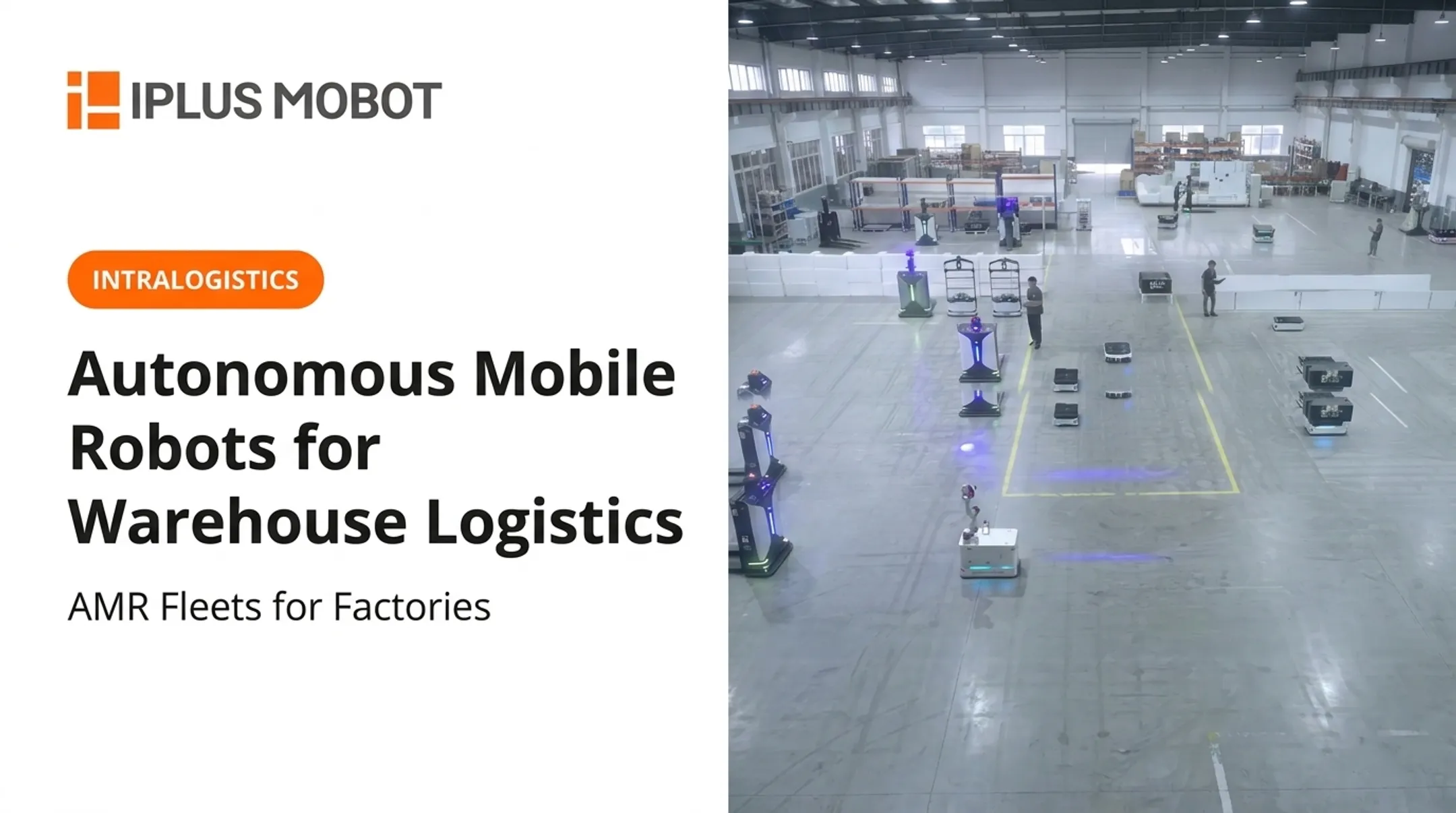
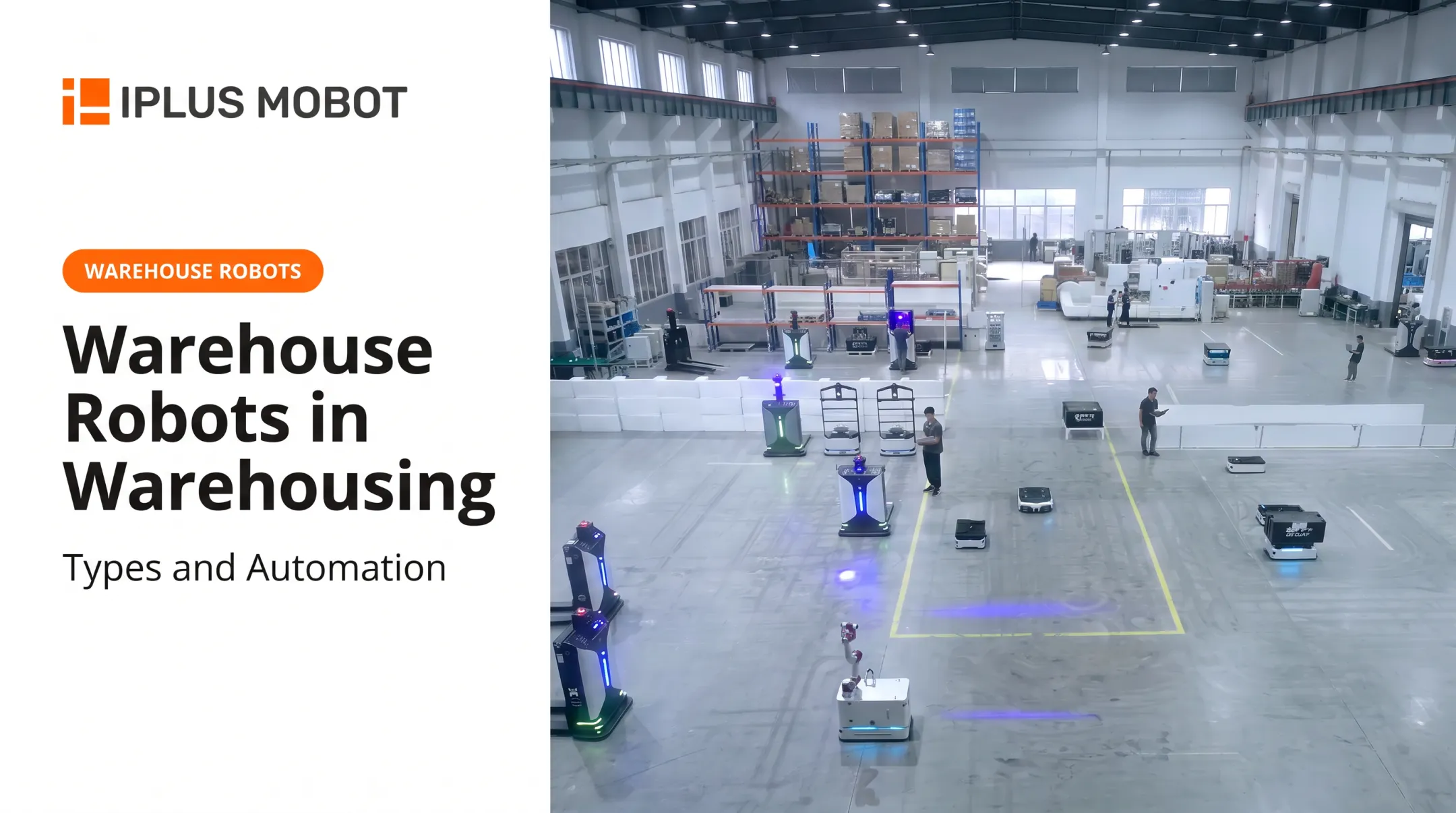
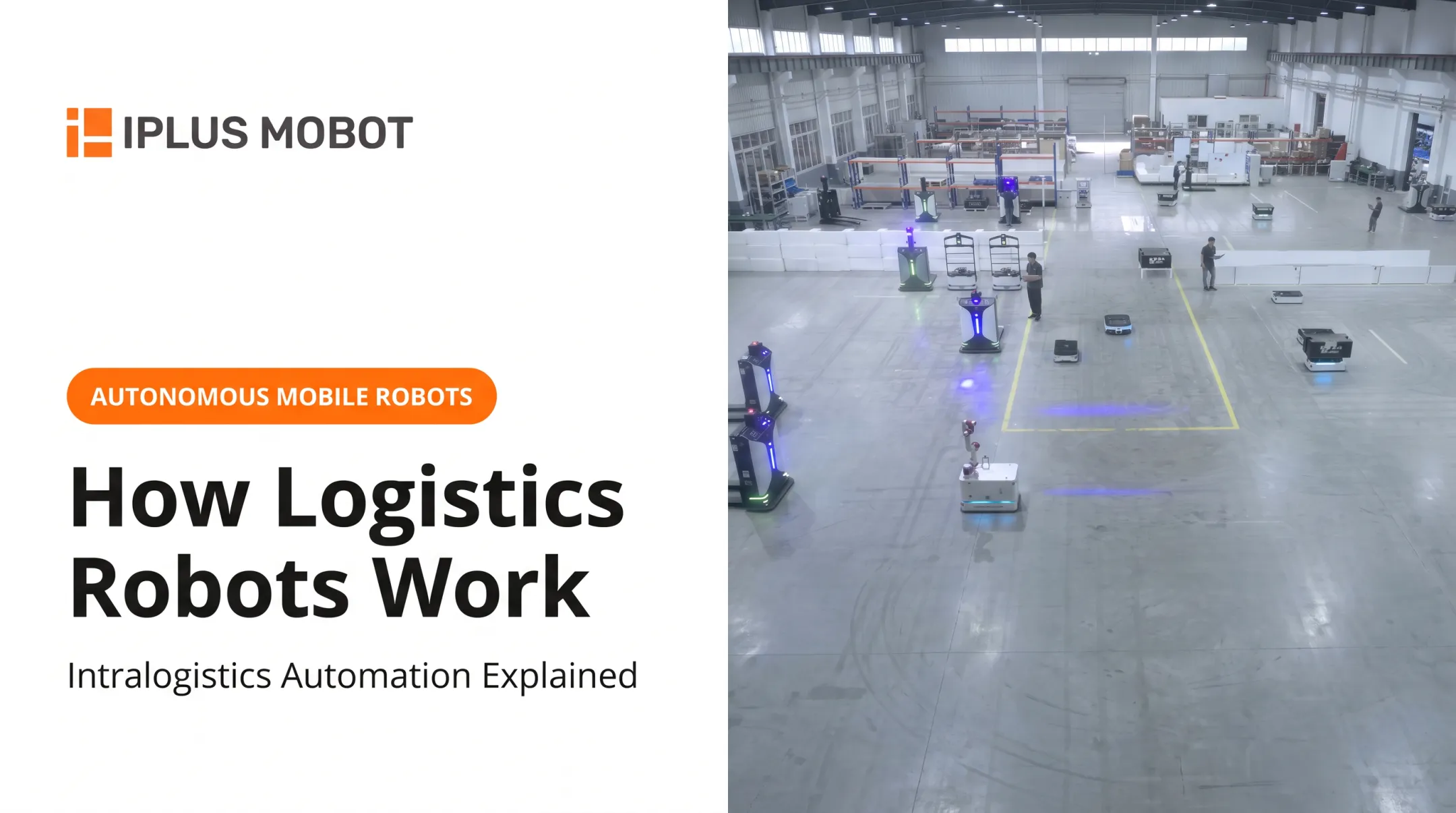
Smart picking robots are connected robotic systems that use sensors, software, machine vision, and navigation to retrieve, transport, sort, or place inventory. The term is slippery, though. It covers arms that grasp items, AMRs that carry shelves to pickers, and autonomous forklifts that move pallets.
This article separates those categories, then covers benefits, use cases, and what to check before you buy.
Key Takeaways
- "Smart picking robot" means a grasp-and-pick arm or a mobile robot that brings inventory to a picker.
- SKU mix, item size, load weight, layout, and throughput decide which system fits.
- Integrate robots with WMS/WES/ERP, fleet software, safety systems, and people.
- Check inventory accuracy, bottlenecks, safety rules, and KPIs before investing.
What Are Smart Picking Robots?
Definition and scope
A smart picking robot senses its environment, takes tasks from software, and adapts how it executes them. That separates it from a conveyor or a manually driven truck, which only does one fixed thing.
Match each robot to the task it actually automates:
- Piece picking: individual items
- Case picking: full cartons
- Pallet picking: full pallets or layers
- Inventory transport: moving shelves, totes, or pallets without grasping anything
Core components
A typical system includes:
- Robot platform or arm
- Gripper or load interface
- Cameras and other sensors
- Navigation or perception software
- Fleet manager
- Warehouse-system integration
Data ties it together. An order arrives, the system picks a location and a robot, the robot completes the task, and inventory updates in real time.
Versus traditional automation
Conveyors suit high-volume flows with fixed destinations and standardized payloads. AMRs can switch destinations, routes, and payloads, though changes may need re-engineering and integration specialists.
Manual picking is the most flexible and the most labor-intensive. And a robot rarely fixes everything. Replenishment, packing, quality checks, and exceptions often still depend on people.
How Smart Picking Robots Work
From order to robot task
A WMS, WES, ERP, or MES sends an order, replenishment request, or line-side delivery to the robot control layer. The system then prioritizes tasks by:
- Urgency and workstation availability
- Inventory location and travel distance
- Battery status, load type, and traffic
Perception and localization
Barcode readers, RFID, 2D/3D cameras, lidar, and proximity sensors help robots find products, shelves, pallets, people, and obstacles.
Structured environments with well-defined locations and item data are straightforward for robots. Unstructured piece picking needs vision-based recognition and adaptive grasp planning. ABB, for example, says its item picker uses machine vision and AI to choose grasp points.
Path planning and fleet coordination
Navigation software selects routes, avoids obstacles, manages right-of-way, and reroutes around blocked aisles. Fleet management software:
- Assigns work and balances utilization
- Schedules charging and tracks exceptions
- Gives operators visibility across the fleet
Interoperability standards are emerging. ISO 21423:2026 covers communications among mobile robots, fleet managers, and other systems.
Picking, transport, and placement
Robotic arms select a grasp, avoid collisions, lift, and place the item in a tote, carton, or pallet. AMRs and autonomous forklifts work differently: they move shelves, totes, pallets, or components rather than grasping individual products.
Humans, safety, and exceptions
Safety layers include sensing, speed control, guarded zones, and emergency stops. OSHA says it has no specific robotics standard; general-industry rules on machine guarding, lockout/tagout, and electrical safety apply. Relevant standards include ANSI/A3 R15.08 and ISO 3691-4 for driverless trucks.

People still handle:
- Damaged goods and unknown items
- Failed scans and blocked routes
- Inventory discrepancies and unavailable products
Types of Smart Picking Robots and Warehouse Picking Systems
Robotic arms for piece and bin picking
Vision-guided arms grasp items from bins, totes, or conveyors using suction, mechanical, or hybrid grippers. ABB reports up to 1,400 unsorted items per hour with a 3 kg payload, a vendor figure rather than an independent benchmark.
Feasibility depends on SKU variety, shape, weight, surface, fragility, packaging, and presentation. Shoeboxes and uniform pharmaceutical packs are easier than loose, irregular goods.
AMRs and goods-to-person systems
AMRs carry shelves, totes, or carts between storage, picking, packing, and production. They cut walking time and support goods-to-person or pick-assist flows without grasping anything. A pilot may involve a robot, workstation, Wi-Fi, shelves, and QR codes.
Autonomous forklifts, pallet robots, and AS/RS
These move pallets, cases, or totes. KNAPP's Open Shuttle Fork is rated to 1,500 kg, and KUKA lists 1,500 kg autonomous forklift models.
Compared with piece pickers, they handle far heavier loads and need clear aisles, but they don't pick single items. AS/RS adds storage density, with infrastructure to match.
Hybrid and collaborative cells
Arms, AMRs, conveyors, scanners, pick-to-light, and people can be combined. Collaboration fits fragile or irregular items, frequent exceptions, variable assortments, and work needing human judgment.
Picking strategies
| Strategy | Fits |
|---|---|
| Discrete | One order at a time; simple, low volume |
| Batch | Similar orders grouped in one trip |
| Zone | Multiple zones; orders pass between pickers |
| Wave | Scheduled dispatch; many single-line e-commerce orders |
| Cluster | Multiple orders picked in one trip |
| Goods-to-person | Inventory delivered to a station; reduced travel |

Strategy and robot type are separate decisions. Zone picking, for instance, can use AMRs, arms, conveyors, humans, or a mix.
Benefits and Best-Fit Use Cases
Operational benefits
Picking is where labor goes. MHI says it often takes more than 50% of the labor budget, and literature estimates put travel at about 55% of picking time. Robots attack that travel, make task execution consistent, improve inventory visibility, and let capacity grow without hiring in lockstep.
Case studies show the range, though they aren't controlled comparisons:
- GEODIS reported 50% higher productivity and 75% less overtime with 12 robots.
- Fleet Feet reached 180 units per hour versus 85 previously.

Independent data on error-rate drops from robots is hard to find, so treat accuracy claims cautiously.
Best-fit applications
- E-commerce, retail, 3PL: AMRs for tote or shelf transport; arms for repetitive piece picking
- Automotive and EV plants: line-side delivery, as DENSO does with six MiR250 robots
- Electronics and semiconductors: Polar Semiconductor automated over 40 miles of material movement per product lifecycle
- Pallet moves: autonomous forklifts between warehouse and production
Limitations and trade-offs
- Capital, integration, and facility changes add cost
- Maintenance, charging, network reliability, and training need planning
- Irregular or low-volume items, frequent layout changes, and poor item master data erode value
- Unpredictable exception rates hurt full automation
Downstream bottlenecks matter too. One vendor noted customers couldn't process more than 600 cases per hour regardless of robot speed.
How to Evaluate and Implement a Smart Picking Robot System
Assess readiness
Document your operation before you evaluate vendors:
- Order profiles, SKU dimensions, and weights
- Pick rates, travel paths, and replenishment patterns
- Peak demand, exception frequency, and labor allocation
MHI suggests 12 to 24 months of order history and cites 95% inventory accuracy as a design-readiness target.

Then find the real bottleneck: grasping, travel, pallet transport, retrieval, sorting, or visibility.
Compare technology and integration
Checklist for vendors:
- Payload, reach, and navigation method
- Sensors, gripper or load interface
- Battery and charging approach
- Floor and aisle requirements
- Scalability, uptime, maintenance
- Human-robot interaction and safety
Also review systems integration:
- WMS, WES, ERP, and MES links
- Barcode or RFID infrastructure
- Fleet APIs, reporting, and real-time inventory sync
Cybersecurity belongs here too. NIST SP 800-82 Rev. 3 provides operational technology guidance, and network segmentation is a core control.
Pilot, measure, and build the business case
McKinsey recommends piloting before scaling, with testing across SKU types and throughput needs. Use representative SKUs or routes, clear exception procedures, and training. Baseline accuracy, travel, throughput, cycle time, utilization, and safety events first.

Build the case on total cost of ownership, not just the robot's price:
- Software, integration, installation, and training
- Maintenance, infrastructure, and labor redeployment
- Expected volume over the full lifecycle
Where IPLUSMOBOT fits
IPLUSMOBOT makes AMRs, forklift AMRs, and CLOUDIA fleet software, with US and Japanese subsidiaries. Evaluate it when your main need is goods movement, line-side delivery, pallet handling, or plant-wide transport. It targets pallet put-away, replenishment, and goods-to-person flows, and its software integrates with WMS, MES, and ERP.
Confirm model-specific payload, navigation, picking, and integration capabilities directly with the vendor before committing.
Frequently Asked Questions
What are the different types of warehouse picking systems?
Discrete, batch, zone, wave, cluster, and goods-to-person picking. The right choice depends on order volume, SKU profile, layout, and fulfillment requirements.
What is a smart picking robot?
A robot that retrieves, transports, sorts, or places inventory using sensors, software, navigation, and warehouse-system integration.
How do smart picking robots work?
Software assigns a task, the robot identifies the item or location, plans a route, picks or transports, and updates the system. People handle exceptions.
What is the difference between a picking robot and an AMR?
A picking robot physically grasps items. An AMR navigates autonomously to carry shelves, totes, carts, or pallets.
Are smart picking robots suitable for existing warehouses?
Often, depending on floors, aisle widths, layout, network coverage, inventory data, integration readiness, and safety needs. A pilot can test fit without disrupting operations.
What should a business consider before investing?
Start with the bottleneck, then SKU and load traits, volume, integration, total cost of ownership, safety, scalability, maintenance, and measurable success criteria.